
Travel Decision

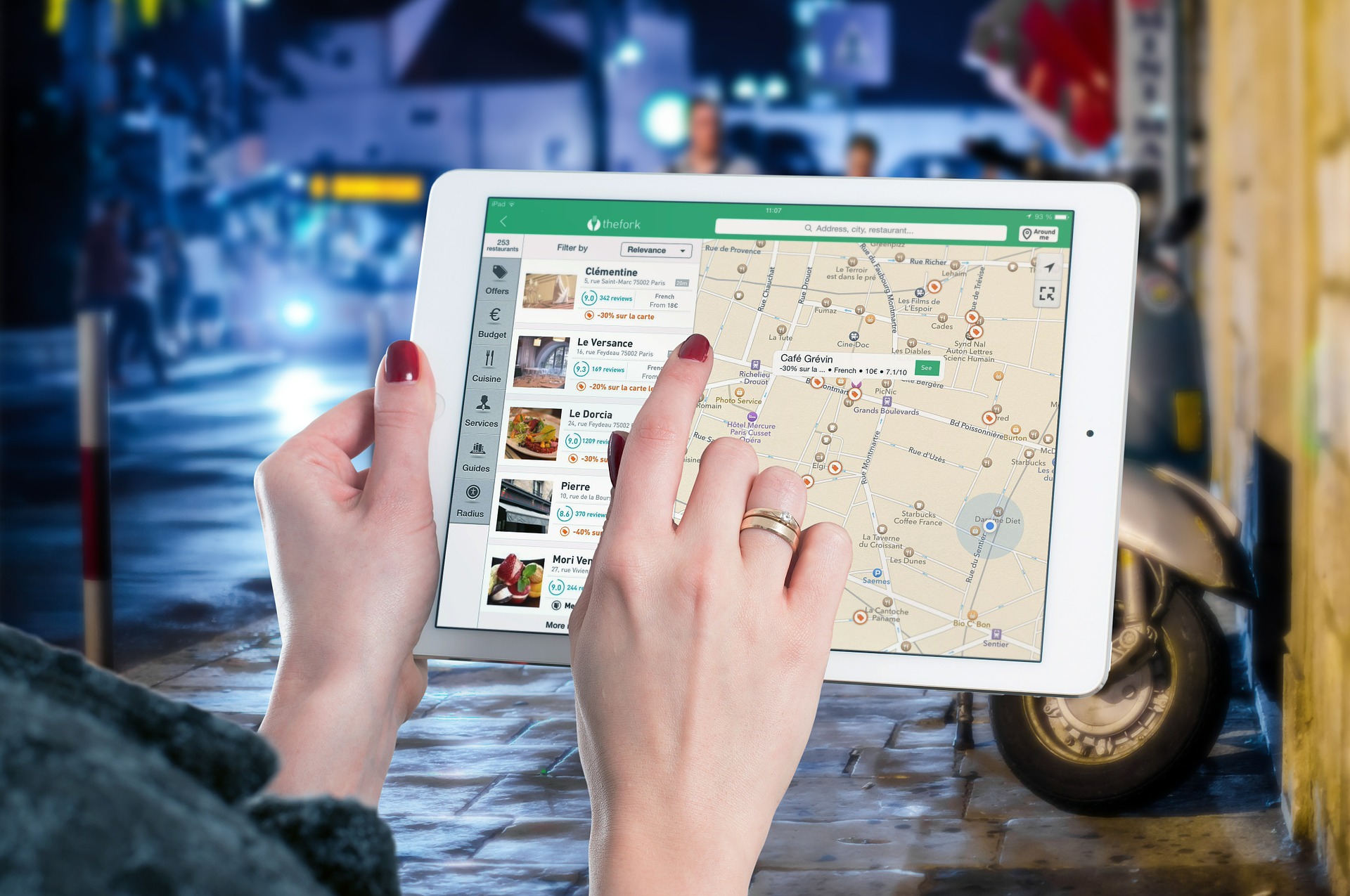
It is important for tourism providers to have knowledge about the travel decision process of their current and potential customers. This is the only way to be able to influence the decision of the prospective customers at the appropriate time. The travel decision is a very complex process: it takes place over a long period of time before the holiday trip, there are often several people involved and it is usually not about one but many partial decisions that influence each other (the decision for a destination, for example, affects the activity options and the means of transport). The results of this module contribute to a better understanding of your customers’ holiday decision-making process and show you opportunities for influence.

Aim of the module

The following research questions were answered with this module:

  • When does the engagement with the holiday journey begin and when is the decision for a particular holiday journey made?
  • Which topics do holidaymakers deal with before travelling and which partial decision (e.g. destination or type of travel) is made first?
  • Which aspects play an important role in the decision for the destination?

Procedure

First of all, we clarified at what point in time the first considerations are made and when the decision for the respective holiday trip was made, i.e. how long in advance and at what time of year.

In a second step, we determined which partial decisions played a role in the run-up to the holiday trip and which partial decision was in the foreground for the travellers.

Are you interested in more details and the results of this module? Then contact us for a detailed module profile and a no-obligation consultation.

Reiseanalyse Module 2017
Holiday and Water

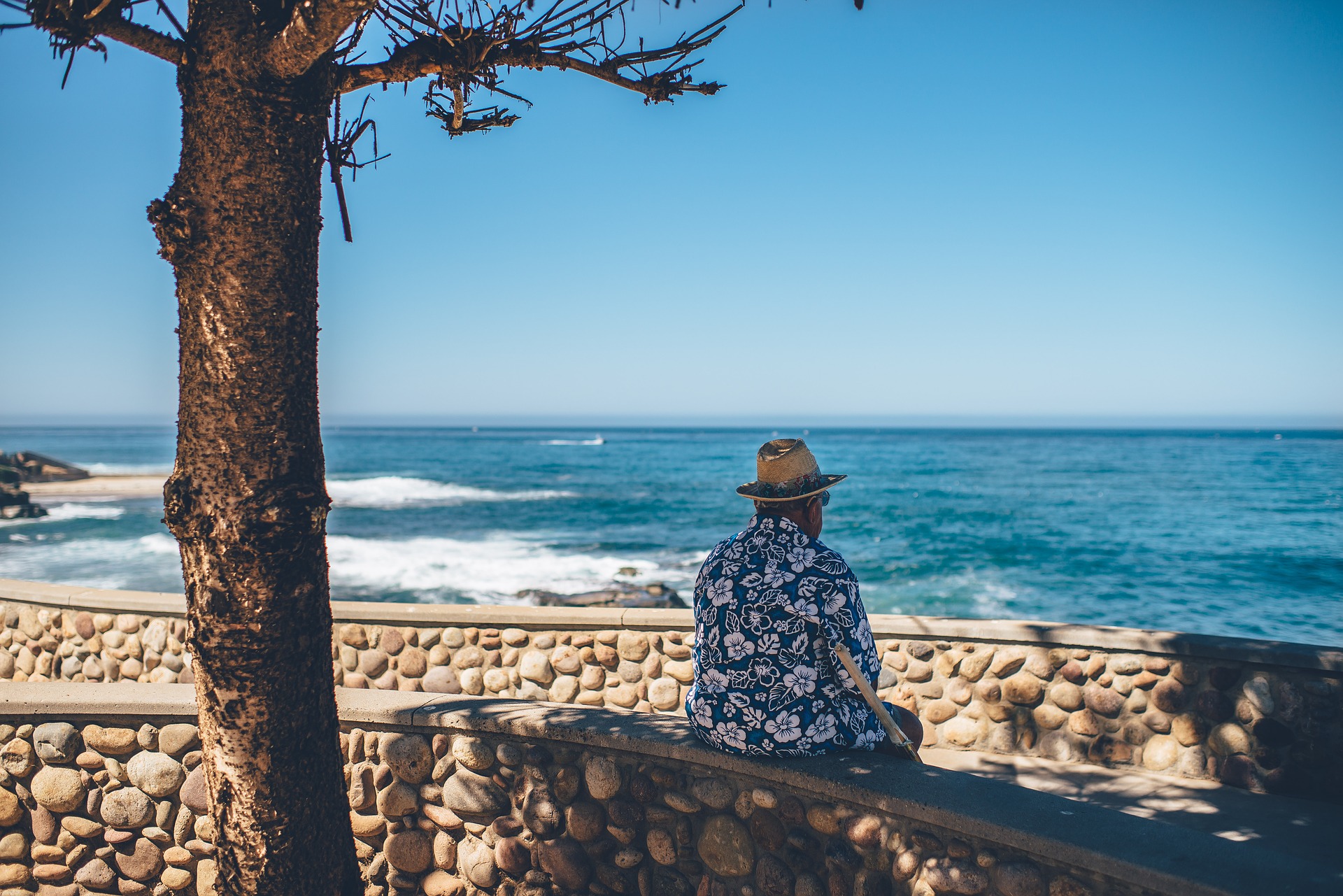
Whether for swimming or sailing, as a picturesque backdrop for hiking or cycling, or as a calming element in a wellness holiday: it is undisputed that water exerts a powerful attraction on holidaymakers. However, in order to fully exploit the strengths of one’s own offer at or near the water, providers should know more about their potential customers and their motivations or needs. We are not only interested in holidays at the coast, but also in holidays at the lake, at the river and in the mountains (where you can see how a stream becomes a raging waterfall) and also in holidays in artificial bathing areas.

Aim of the module

We answered the following research questions in this module:

  • How important is water for (potential) holidaymakers?
  • What kind of experiences are guests looking for on the water? (e.g. water sports, relaxation, nature experience)
  • Where do holidaymakers want to spend their holidays by the water? (on the coast, in the mountains, in the lowlands, etc.)

Procedure

For this module, three module questions were asked, the results of which we related to each other and to the results of the standard questionnaire.

First, we asked a question that showed us what value the water has for the holidaymakers.

Next, we clarified what the guests do on holiday at the water or which offers they use there. We evaluated the answers in connection with the first module question and the standard questions on travel behaviour (destination, accommodation, travel companions, etc.).

Finally, we investigated how popular different types of destinations are where you can go on holiday by the water. The initial focus was not on countries or regions, but on types of landscape or whether a holiday in an artificial bathing area would also have been an option. In the analysis, we were able to combine the information obtained with the results of the first module question and with the potential data from the standard programme (interest in destinations and types of holidays).

Are you interested in more details and the results of this module? Then contact us for a detailed module profile and a non-binding consultation.

Reiseanalyse Module 2017

Image and Uniqueness of Destinations

Images are structures of ideas, opinions and expectations and are composed of an extensive complex of ideas. Knowledge about a destination (“the sun shines there”) and the associated emotions (“great”) lead to an intention to act (“I want to go there”). In no other industry is image more important than in the marketing of travel destinations. Image cultivation and promotion are therefore strategic fields of action for destinations.

Aim of the module

The module answers the following questions for the participating destinations:

  • What image do certain destinations have in the German market?
  • What ideas about landscape, attractions, prices, service etc. are associated with the individual holiday destinations?
  • How does the image of these destinations differ from each other, where are the unique selling points?
  • Are these destinations perceived as unique?
  • How does the image differ in certain target groups and depending on the experience with the destination?

Procedure

With the help of a module question, the image of selected countries and federal states was recorded on the basis of concrete, product-related characteristics that are relevant for practical marketing work. By linking it to the standard RA face-to-face programme, it was possible to examine the image of a destination in different target groups.

Are you interested in further details and the results of this module? Then contact us for a detailed module profile and a non-binding consultation.

Reiseanalyse Module 2016

Content Marketing

Content marketing has changed from a fashionable term in online communication to a serious and cross-media marketing task. The question now is not whether to use content marketing, but how and for whom. The aim of the module was to identify and describe target groups that are particularly accessible to content marketing in the inspiration phase of the customer journey. We defined content marketing for this module as “tourism communication measures in the inspiration phase that are primarily based on information, entertainment or narrative and generate purchase incentives via the customer’s interest in the content”.

An essential component of content marketing is “storytelling”, i.e. the packaging of messages in stories that at first glance have neither an advertising character nor necessarily a direct tourist reference.

Aim of the module

With this module we answered the following research questions:

  • What content is interesting for (potential) holidaymakers?
  • Which forms of design (formats, sender, tonality, address) are of interest?
  • Which types of interested parties can be derived from the combination of content characteristics and design forms?
  • How are the customers of different destinations or holiday segments distributed among the identified content marketing types? To which demographic groups and social milieus do they belong?

Procedure

First, we used the RA online to measure the interest of holidaymakers in different content marketing contents and presentation forms in the inspiration phase. From this, it was possible to deduce which design features found particularly high acceptance overall. Furthermore, the individual responses could be combined (clustered) in such a way that types of interested parties could be identified. In a second step, we were able to quantify the volume of types based on the population-representative data of the RA face-to-face and relate the types to various travel behaviour data, such as visiting certain destinations or the use of organisational forms, means of transport and types of accommodation. In addition, we were able to combine interest with further segmentation data from the RA, from demographics to Sinus Milieus® to potential data (interest in destinations and forms of holidays).

Are you interested in more details and the results of this module? Then contact us for a detailed module profile and a no-obligation consultation.

Reiseanalyse Module 2017
Online on the Way

Mobile internet on holiday

The RA regularly collects data on online behaviour (for stationary and mobile access, at home and on the road). One focus of the questions is on the preparation phase (information and booking) before the trip.

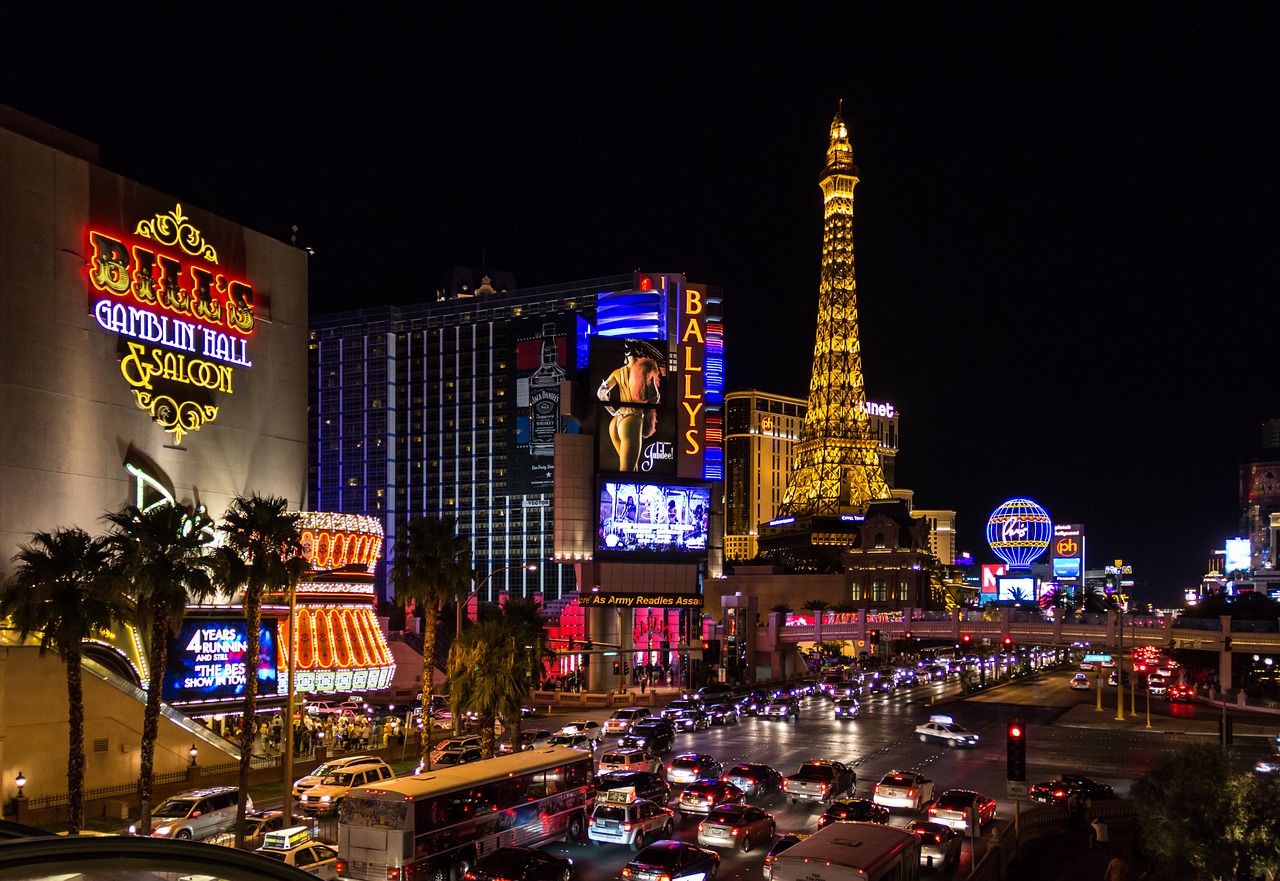
Due to the increasing share of the population with mobile internet access (Jan. 2014: 52%), it seemed worthwhile to examine the target group of “real” mobile users and their actual usage behaviour while travelling as part of the 2015 travel analysis. The focus was on people who generally (i.e. not only on holiday) use smartphones or tablets and do not do so exclusively via WLAN/Wi-Fi. In this way, we wanted to get closer to the user image of the “real mobile user”.

Aim of the module

The following questions were examined for the module “Online on the move”:

  • How big is the usage potential for “mobile online usage on the road”: How many people are “real mobile users” but do not use smartphones/tablets during their holiday trip?
  • How do “non-users” and “users” differ?
  • What is the intensity of mobile internet use on the road during the holiday trip?
  • What are the purposes of mobile internet use while travelling? What do “real mobile users” use their smartphone/tablet for while travelling?
  • What are the barriers to greater use?
  • How many and which holiday-related apps are installed?

Procedure

For the volume estimation (“utilisation potential”), the results of the corresponding basic question from the RA face-to-face were used. All other research questions were translated into survey questions for the RA online.

Are you interested in more details and the results of this module? Then contact us for a detailed module profile and a no-obligation consultation.

Reiseanalyse Module 2015

Sustainable Holidays

Acceptance and potentials

A large and growing proportion of holidaymakers attach importance to making their holiday trips as ecologically and socially compatible as possible. What has been missing so far is information on who is particularly interested in sustainable holiday travel and which environmentally and socially responsible offers have the greatest potential. The results of this module close this gap.

Central questions

Who expresses interest in socially responsible and environmentally friendly holidays?
What are the holiday motives of those interested in socially responsible and environmentally sustainable holidays and which holiday activities do they prefer?
How and where do the people interested in sustainable holidays travel?

Possible applications

The results can be used for segmentation and target group analysis in order to assess potentials for sustainable tourism offers and to design and market corresponding products according to target groups.

Are you interested in more details and the results of this module? Then contact us for a detailed module profile and a no-obligation consultation.

Reiseanalyse Module 2014